
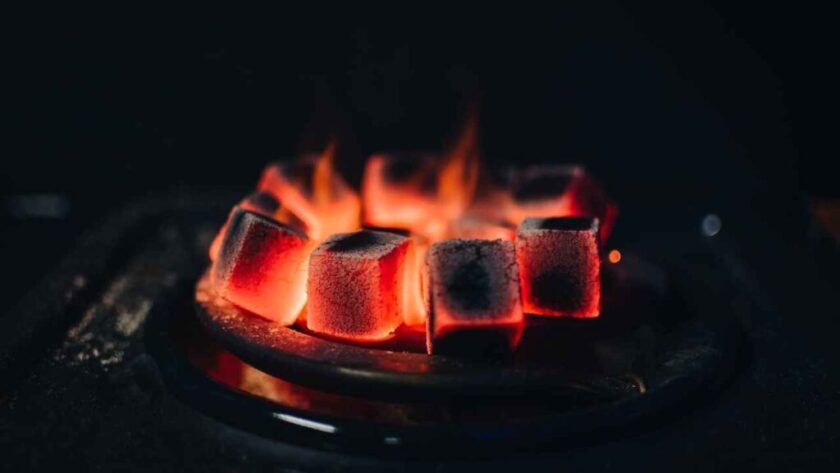
The process of briquettes production is a sophisticated manufacturing sequence that converts agricultural waste into a high energy, environmentally friendly fuel. Modern advancements, particularly in Indonesia’s dominant coconut sector, have transformed this process from simple charring to precise industrial engineering. Successful briquettes production relies on maximizing Fixed Carbon (FC) content, achieving ultra low ash, and ensuring the final product meets the stringent quality demanded by international shisha and gourmet BBQ markets actively.
Preparation and Advanced Carbonization
The initial stage of briquettes production focuses on preparing the raw material and converting it into charcoal. This foundational step determines the quality baseline of the final fuel consistently.
Raw Material Processing and Pre Treatment
Briquettes production typically begins with waste biomass, such as coconut shells or sawdust. Manufacturers must rigorously clean and dry the raw material. This mandatory pre treatment removes moisture and mineral contaminants, which would otherwise lead to high ash content in the final briquette effectively.
Controlled Pyrolysis for Purity
The key innovation in briquettes production lies in carbonization. Modern factories utilize sealed, continuous retort kilns. This technology allows for controlled pyrolysis, where heat is applied in a low oxygen environment. Consequently, this method maximizes the removal of Volatile Matter (VM) and minimizes impurities, yielding the purest char consistently.
Refining and High Pressure Molding
Once the high purity char is cooled, the briquettes production moves to mechanical refinement and binding, which defines the physical characteristics of the fuel actively.
Milling and Precision Mixing
The raw char undergoes milling into a fine powder, typically 80 to 100 mesh, using specialized crushers and hammer mills. Furthermore, this fine powder is then mixed with a minimal amount of natural, food-grade binder (like tapioca starch). Factory systems strictly control the water to binder ratio. This ensures the mixture forms a homogeneous, dense dough effectively.
Ultra High Pressure Briquetting
The quality of briquettes production is often measured by density. High-pressure hydraulic presses compress the dough intensely. This step increases the structural integrity and density of the briquettes significantly. Therefore, the resulting product whether shisha cubes or hexagonal logs guarantees a longer, more consistent burn time, a hallmark of premium coconut charcoal reliably.
Quality Control and Export Readiness
The final stage of briquettes production ensures the product meets all export standards and is safe for international shipping actively.
Drying and Quality Assurance
Freshly pressed briquettes must be dried in controlled ovens for 24 to 48 hours. This process reduces the moisture content below the 6% export threshold. Subsequently, a rigorous quality control team tests samples for Fixed Carbon percentage and ash residue. Only approved batches proceed to packaging consistently.
Compliance and Export Solutions
Successful briquettes production for the global market requires mastery of compliance. Exporters must secure crucial documentation, such as the Self Heating Test (SHT) certificate. This ensures the product can be safely shipped as Dangerous Goods Cargo. Manufacturers focused on coconut shell charcoal export must integrate this compliance into their final process effectively.
Conclusion
The modern briquettes production process leverages advanced technology to transform agricultural waste into an essential global energy source. Commitment to consistent quality through controlled pyrolysis and high pressure molding is the key to market leadership. Companies seeking innovative coconut briquette solutions must prioritize factory efficiency and sustainability. For detailed guidance on optimizing your production line, visit the Jacoid.com.