
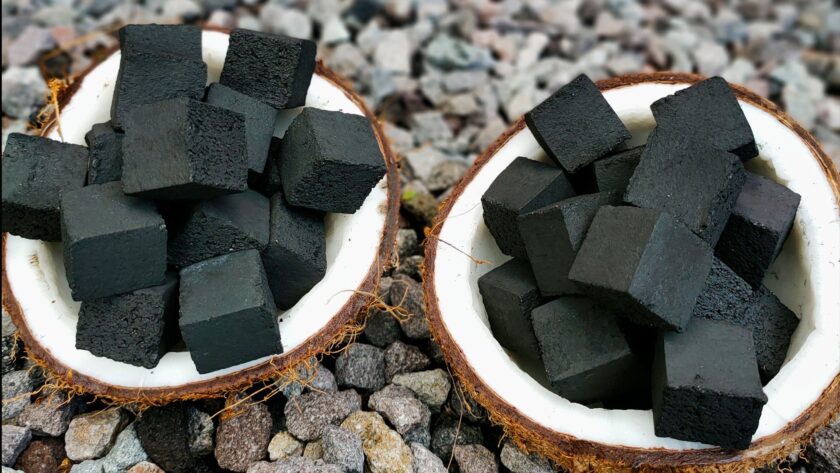
The global push for sustainability demands responsible consumer choices. Consequently, this shift now includes how we grill and power small industries. Traditional charcoal production is often linked to deforestation and high carbon emissions. However, the optimal solution today is Eco Friendly Charcoal a product meticulously designed to minimize environmental harm while maximizing performance.
Moreover, this shift toward cleaner manufacturing is not just a trend; instead, it is a necessity for preserving natural resources and actively combating climate change. Consumers are better informed, and therefore, demand product accountability.
The Foundation of Sustainability and Renewable Raw Materials
What truly qualifies charcoal as eco friendly? First, the distinction lies primarily in its raw material source, known as feedstock. Unlike conventional charcoal that drives unsustainable logging, the sustainable alternative utilizes renewable and recycled biomass exclusively.
-
Agricultural Waste (Biomass): Coconut shells, bamboo residue, sawdust, and organic residues are prime examples. By utilizing these byproducts, producers reduce waste accumulation and protect natural forests. For more details on the sustainable production of coconut briquettes clean energy, further resources are available.
-
Sustainably Managed Wood: If wood must be used, sourcing must be strictly regulated. Specifically, the material must originate only from fast-growing, dedicated tree plantations that adhere to rigorous responsible reforestation standards.
Performance and Health Benefits
The decision to use Eco-Friendly Charcoal yields measurable benefits that enhance the user experience. In addition, these benefits go beyond simple environmental protection:
-
Reduced Smoke and Fumes: Cleaner carbonization leads to fewer harmful compounds. Consequently, this results in significantly less smoke and reduced toxic fumes during cooking, thereby promoting a healthier environment.
-
Stable, Consistent Heat: Sustainable briquettes are manufactured under high-pressure pressing, resulting in high density. Ultimately, this provides stable heat output for longer durations, which is crucial for precise grilling.
-
Chemical-Free Burning: High-quality Eco-Friendly Charcoal is guaranteed free from petroleum additives and synthetic binding agents. This means the grilled food retains its natural, untainted flavor profile.
-
Lower Ash Content: Finally, many sustainable options, particularly those derived from coconut shells, produce minimal residual ash, making cleanup easier and faster.
Global Impact Mitigating Climate Change
Switching to Eco-Friendly Charcoal plays a positive role in global climate change mitigation. Specifically, sustainable production methods actively reduce the charcoal industry’s carbon footprint in two major ways: Deforestation Prevention, by prioritizing waste biomass over cutting down natural forests, which helps maintain crucial natural carbon sinks; and The Power of Biochar, a highly stable carbon byproduct that permanently sequesters carbon when applied to agricultural soil, while also significantly improving soil health. Pelajari lebih lanjut mengenai praktik produksi yang ramah lingkungan dan berkelanjutan di jacoid.com.
Conclusion Driving the Future of Sustainable Energy
The widespread adoption of Eco-Friendly Charcoal is essential for meeting modern household and industrial energy needs without compromising the planet’s health. Sustainable charcoal offers a clear, measurable benefit to the environment, proving that high-performance fuel can be both powerful and responsible. Indeed, by choosing ethically sourced fuel, we can ensure the sustainability of natural resources for future generations.
Therefore, consumer actions have a significant impact. Ultimately, by actively supporting producers who adhere to these high sustainable practices, consumers and businesses together can drive significant positive change, promote forest health, and directly contribute to achieving a robust, low-carbon global economy. Choosing sustainable charcoal is not merely buying fuel; rather, it is making a responsible, forward-thinking investment in a greener, healthier future for all.